


Buffet vs. Plated: Choosing the Right Latin Catering Style

When planning an unforgettable event, food plays a central role in shaping the overall experience. One of the most important decisions you’ll face is choosing the right catering service style. The ongoing debate of buffet vs. plated catering isn’t just about presentation; it influences guest interaction, event flow, menu flexibility, and even the atmosphere of your celebration.

If you’re considering vibrant and flavorful Latin cuisine, understanding how each style works can help you create a dining experience that truly stands out. Let’s explore the differences and discover which option is best suited for your event.

Understanding Buffet vs. Plated Catering

At its core, the difference between buffet and plated catering lies in how food is served.

Buffet-style catering allows guests to serve themselves from a variety of dishes displayed on a central table. This approach is interactive, flexible, and ideal for showcasing a wide range of flavors, especially in Latin buffet catering, where variety is key.

Plated catering, on the other hand, offers a more formal dining experience. Guests remain seated while servers bring pre-portioned meals directly to the table. This style emphasizes elegance, structure, and consistency.

Each option creates a distinct vibe, and your choice should align with the tone and goals of your event.

Guest Experience: Interaction vs. Elegance

One of the biggest factors in the buffet vs. plated catering decision is how you want guests to experience the meal.

Buffets encourage movement and social interaction. Guests can mingle, explore different dishes, and return for seconds. This relaxed atmosphere works well for weddings, corporate gatherings, and family celebrations where connection and energy are important.

In contrast, plated service delivers a more refined and seamless experience. Guests stay seated, allowing for uninterrupted conversations and a smoother event timeline. This is ideal for formal events, such as upscale weddings or gala dinners, where sophistication is a priority.

Latin cuisine shines in both formats, but in different ways. A buffet highlights the diversity of flavors, while plated service elevates individual dishes with curated presentation.

Logistics: Efficiency vs. Structure

Your chosen catering service style also impacts event logistics.

Buffet catering typically requires fewer servers, which can make it more cost-effective. However, it does require enough space for food stations and proper flow to avoid long lines. Timing can be more flexible, as guests eat at their own pace.

Plated catering, while more labor-intensive, offers better control over timing and portion sizes. Meals are served simultaneously, making it easier to coordinate speeches, entertainment, or formal programming. However, it requires a well-trained staff and precise planning to ensure smooth service.

For larger events with diverse guest preferences, buffets can simplify meal service. For events with a strict schedule, plated service is often the better choice.

Menu Flexibility: Variety vs. Precision

When it comes to menu design, the contrast between buffet and plated styles becomes even more apparent.

Latin buffet catering thrives on variety. Dishes like arroz con pollo, ropa vieja, tacos, empanadas, and plantains can all be offered together, allowing guests to sample multiple flavors. Buffets are also more accommodating to dietary preferences, as guests can choose what suits them best.

Plated menus, however, focus on carefully curated courses. Each dish is thoughtfully paired and presented, creating a cohesive dining journey. While options may be limited, the quality and attention to detail are elevated.

If your goal is to showcase the richness and diversity of Latin cuisine, a buffet is an excellent choice. If you prefer a more controlled and artistic presentation, plated service delivers a refined experience.

Best Latin Dishes for Each Catering Style

Buffets work well with versatile, crowd-pleasing dishes like tacos, rice, grilled meats, and empanadas. Plated service is ideal for composed meals such as mojo chicken, seafood, or short ribs that benefit from refined presentation.

Certain Latin dishes naturally lend themselves to one style over the other.

Ideal for Buffet Catering:

  • Tacos with customizable toppings
  • Rice dishes like arroz con gandules
  • Grilled meats such as churrasco or pollo asado
  • Fried favorites like empanadas and tostones
  • Stews like ropa vieja or picadillo

These dishes are easy to serve in larger quantities and maintain their flavor and texture over time, making them perfect for buffets.

Best for Plated Catering:

  • Mojo-marinated chicken with rice and vegetables
  • Seafood dishes like grilled mahi-mahi with citrus sauce
  • Elegant presentations of short ribs or lechón
  • Composed salads with Latin-inspired dressings

These dishes benefit from precise plating and controlled portions, enhancing both taste and visual appeal.

The Power of Presentation

Presentation plays a crucial role in elevating the dining experience, regardless of your chosen catering service style.

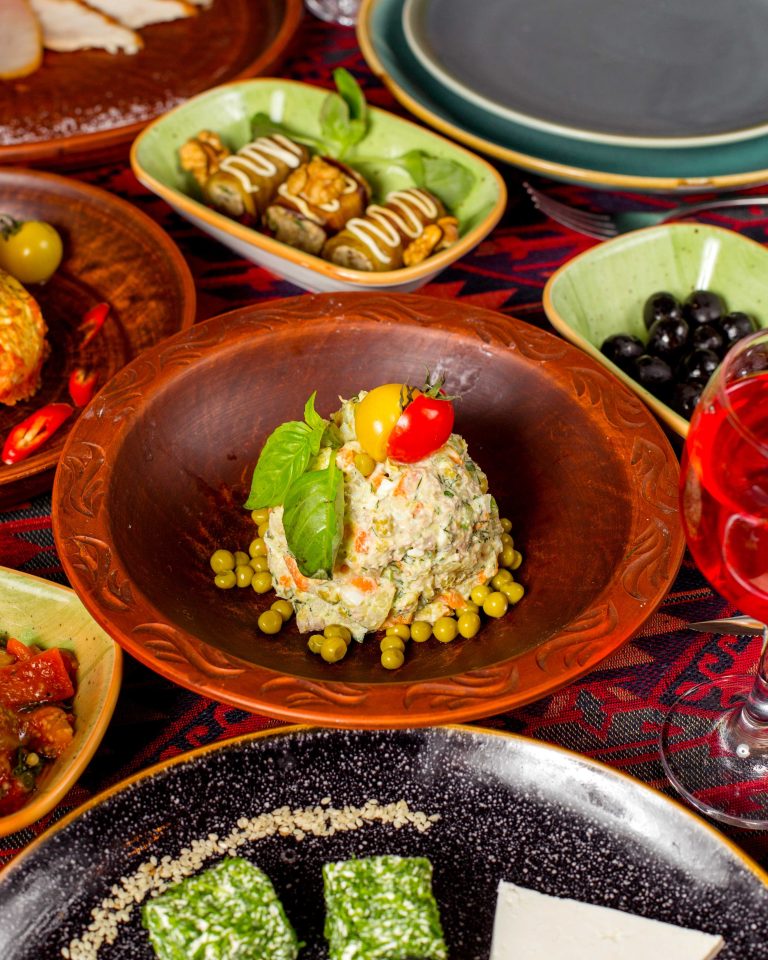
Buffets can be visually stunning when designed thoughtfully. Vibrant colors, decorative serving dishes, and thematic displays can transform a buffet into a centerpiece of the event. Incorporating elements like banana leaves, rustic wooden platters, or colorful textiles adds authenticity to Latin buffet catering.

Plated service, however, allows for a more artistic approach. Each dish is carefully arranged, often resembling a work of art. Garnishes, sauces, and plating techniques highlight the sophistication of Latin cuisine, turning every course into a memorable moment.

Which Style Is Right for You?

Choose a buffet for a lively, flexible event with diverse food options, or opt for plated catering for a structured, upscale experience. The right choice depends on your event’s tone, guest count, and desired atmosphere.

Choosing between buffet vs. plated catering ultimately depends on your event’s size, tone, and priorities.

  • Choose buffet catering if you want variety, flexibility, and a lively atmosphere.
  • Opt for plated catering if you prefer elegance, structure, and a polished dining experience.

Both styles can beautifully showcase Latin cuisine; it’s simply a matter of how you want your guests to experience it.

Final Thoughts

The decision between buffet and plated catering is more than a logistical choice; it’s an opportunity to shape the entire guest experience. By understanding the strengths of each catering service style, you can create an event that feels cohesive, memorable, and uniquely yours.

Whether you lean toward the vibrant energy of Latin buffet catering or the refined elegance of plated service, thoughtful planning and attention to detail will ensure your event leaves a lasting impression.

Ready to Elevate Your Event?

Bring the bold flavors and vibrant spirit of Latin cuisine to your next celebration with Calle Sol Cafe. Whether you’re planning a lively buffet or an elegant plated dinner, our expert team will help you design the perfect catering experience tailored to your vision.

Contact us today to start planning a menu your guests will never forget!

What Makes Latin Cuisine So Bold and Flavorful?


Latin cuisine is celebrated across the world for its vibrant colors, rich aromas, and unforgettable taste. From the smoky depth of slow-cooked meats to the refreshing zing of citrus-infused dishes, Latin cuisine flavors are anything but subtle. What truly sets this culinary tradition apart is its ability to combine simple, fresh ingredients with time-honored methods to create dishes bursting with personality.

But what exactly makes bold Latin food so distinctive? The answer lies in a harmonious blend of core ingredients and traditional Latin cooking techniques passed down through generations, fostering a sense of cultural pride and connection for the audience.

The Power of Core Ingredients

At the heart of Latin cuisine are a few essential ingredients that work together to build layers of bold, memorable flavors, making dishes stand out.

  1. Citrus: The Bright Foundation

    Citrus fruits like limes, oranges, and lemons are indispensable in Latin cooking. They bring acidity that cuts through richness and enhances other flavors. Whether it’s a squeeze of lime over tacos or a citrus marinade for meats, this ingredient adds brightness and balance.

  2. Garlic: The Flavor Anchor

    Garlic is a cornerstone in many Latin dishes. It provides a deep, savory base that intensifies as it cooks. Often sautéed at the beginning of a dish, garlic lays the groundwork for complex flavor profiles.

      3. Fresh Herbs: The Aromatic Lift

Cilantro, oregano, and parsley are commonly used to add freshness and fragrance. These herbs are often added toward the end              of cooking to preserve their vibrant taste, giving dishes a lively finish.

  1. Spices: The Soul of Boldness

    Latin cuisine uses a wide array of spices such as cumin, paprika, chili powder, and annatto. These spices don’t just add heat; they contribute warmth, earthiness, and depth, making each bite dynamic.

      5. Slow-Cooked Proteins: Depth Through Time

One of the defining elements of bold Latin food is its use of slow-cooked meats. Whether it’s braised beef, roasted pork, or                       stewed chicken, cooking proteins slowly allows flavors to fully develop and meld together.

How These Ingredients Create Depth and Vibrancy

The magic of Latin cuisine flavors lies in how these ingredients interact. It’s not about overpowering the palate but about creating balance.

For example, a classic Latin dish like cochinita pibil combines slow-cooked pork with citrus and herbs, creating a multidimensional taste experience that highlights these ingredients’ roles.

Additionally, many Latin dishes use marinades that allow ingredients to absorb flavor over time. Citrus juice tenderizes proteins, garlic infuses depth, and spices penetrate deeply, ensuring that every bite is flavorful, not just the surface.

Traditional Latin Cooking Techniques

Another key factor behind the boldness of Latin cuisine is the use of time-honored Latin cooking techniques that amplify flavor without complicating recipes.

1. Slow Cooking and Braising

Slow cooking is central to many Latin dishes. By simmering meats over low heat for extended periods, flavors intensify naturally. This technique transforms tougher cuts into tender, flavorful masterpieces.

2. Grilling and Open-Flame Cooking

Grilling adds a smoky dimension that’s hard to replicate. Whether it’s street-style meats or home-cooked dishes, cooking over an open flame enhances natural flavors without requiring heavy seasoning.

3. Sautéing Aromatics First

Many recipes begin by sautéing garlic, onions, and spices in oil. This step releases essential oils and builds a strong flavor base, ensuring the entire dish is richly infused.

4. Marination for Maximum Flavor

Marinating is a simple yet powerful technique. By allowing proteins to soak in a blend of citrus, spices, and herbs, Latin cuisine achieves bold flavor without relying on complex steps.

5. Layering Flavors Gradually

Instead of adding everything at once, ingredients are often introduced in stages. This allows each component to develop fully, resulting in a more nuanced final dish.

Simplicity Meets Intensity

One of the most remarkable aspects of Latin cuisine is its ability to deliver bold flavors without overcomplicating the process. The ingredients are often simple and accessible, making the cuisine feel approachable and inspiring confidence in trying new techniques.

Rather than relying on elaborate techniques, Latin cooking focuses on maximizing the potential of each ingredient. A handful of spices, fresh herbs, and a bit of patience can transform basic components into something extraordinary.

This approach not only makes the cuisine approachable but also ensures that the natural flavors of the ingredients shine through.

A Culinary Tradition Rooted in Culture

Beyond ingredients and techniques, Latin cuisine reflects a rich cultural heritage. Each dish tells a story of family traditions, regional influences, and centuries of culinary evolution.

The boldness of the food mirrors the vibrancy of Latin culture itself. It’s about celebration, connection, and sharing lively meals that bring people together in joy and community.

Experience Bold Latin Flavors Yourself

If you’re ready to explore the richness and vibrancy of Latin cuisine flavors, there’s no better way than experiencing it firsthand. From zesty citrus marinades to perfectly slow-cooked meats, every dish offers a taste of tradition and passion.

Discover authentic, bold Latin food and unforgettable dining experiences at Calle Sol Cafe. Indulge in flavors that are rich, vibrant, and crafted with the essence of traditional Latin cooking techniques.

Latin cuisine isn’t just about food; it’s about flavor, culture, and the art of turning simple ingredients into something truly extraordinary.

Must-Try Peruvian Dishes That Define the Cuisine

Must-try Peruvian dishes

Peruvian cuisine is one of the most exciting and diverse culinary traditions in the world. Rooted in ancient Incan ingredients and techniques, shaped by Spanish colonization, and enriched by African, Chinese, Japanese, and Italian influences, Peru’s food tells a story of cultural fusion and innovation. From bright citrus-marinated seafood to hearty stir-fries and creamy comfort dishes, Peruvian food is bold, colorful, and deeply satisfying.

If you’re looking to understand what makes this cuisine so special, here are the must-try Peruvian dishes that truly define it along with a few lesser-known favorites that showcase its depth and creativity.

Ceviche: Peru’s National Treasure

No conversation about Peruvian food begins anywhere other than ceviche. Often considered the national dish of Peru, ceviche is a celebration of freshness and simplicity. At its core, it consists of raw fish marinated in freshly squeezed lime juice, seasoned with salt, chili peppers (typically ají limo), and red onions.

What makes Peruvian ceviche stand out from other versions around the world is its balance. The acidity of the lime “cooks” the fish just enough while preserving its delicate texture. The heat from the chili adds brightness without overwhelming the dish. It’s traditionally served with sweet potato, corn (often large-kernel Peruvian choclo), and sometimes cancha (toasted corn), creating a contrast of sweet, savory, and crunchy elements.

The result is refreshing, bold, and unmistakably Peruvian.

Lomo Saltado: A Fusion Classic

Lomo saltado perfectly represents Peru’s multicultural culinary identity. This beloved dish blends Chinese stir-fry techniques with Peruvian ingredients. Tender strips of beef are quickly sautéed with onions, tomatoes, soy sauce, vinegar, and ají amarillo peppers, then served with both rice and French fries.

Yes, rice and fries, together on one plate.

This unexpected pairing reflects the influence of Chinese immigrants who brought wok cooking and soy sauce to Peru in the 19th century. The high-heat stir-fry technique creates smoky depth, while the tangy, savory sauce ties everything together. It’s comforting, hearty, and full of character; a true example of how Peruvian cuisine embraces global flavors while making them its own.

Ají de Gallina: Creamy Comfort with a Kick

Ají de gallina is a rich, creamy chicken dish that delivers warmth and subtle spice. Shredded chicken is simmered in a velvety sauce made from ají amarillo (a bright yellow chili pepper), milk, bread, cheese, and ground nuts. The result is smooth, slightly spicy, and deeply satisfying.

Served over rice and garnished with boiled potatoes, olives, and hard-boiled eggs, ají de gallina strikes a beautiful balance between comfort food and bold flavor. The ají amarillo gives it a distinctive fruity heat that defines many Peruvian dishes.

This dish showcases Peru’s talent for transforming simple ingredients into something luxurious and unforgettable.

Anticuchos: Street Food with History

Anticuchos are skewered and grilled meats, traditionally made from beef heart and marinated in vinegar, garlic, and spices. Dating back to colonial times, this dish has African roots and remains one of Peru’s most popular street foods.

The meat is grilled over open flames, giving it a smoky, slightly charred exterior while keeping it tender inside. Served with potatoes and corn, anticuchos are savory, flavorful, and deeply tied to Peru’s culinary heritage.

They’re a reminder that some of the most iconic dishes come from humble beginnings.

Causa: Colorful and Creative

Causa is as visually striking as it is delicious. This layered dish is made with mashed yellow potatoes seasoned with lime and ají amarillo, then filled with ingredients such as tuna, chicken, shrimp, or avocado.

Served cold, causa is refreshing and versatile. The smooth, citrusy potato base contrasts beautifully with creamy or savory fillings. It’s often presented in elegant layers, making it a popular choice for special occasions.

Causa demonstrates how Peruvian cuisine elevates simple staples, like potatoes, which originated in the Andes into something refined and artistic.

Rocoto Relleno: Bold and Fiery

For those who love spice, rocoto relleno is a must-try. This dish features rocoto peppers, which resemble red bell peppers but carry serious heat. The peppers are stuffed with a savory mixture of ground meat, onions, olives, and spices, topped with cheese, and baked until golden.

The sweetness of the pepper balances its heat, while the filling delivers depth and richness. It’s bold, vibrant, and unforgettable, much like Peruvian cuisine itself.

Tiradito: A Japanese-Peruvian Fusion

Tiradito highlights the influence of Japanese immigrants on Peruvian cooking. Similar to sashimi, thin slices of raw fish are arranged and topped with a spicy, citrus-based sauce, often made with ají amarillo or rocoto.

Unlike ceviche, tiradito is dressed just before serving and typically doesn’t include onions. The presentation is delicate and refined, combining Japanese precision with Peruvian flavor.

It’s a perfect example of Peru’s ability to blend culinary traditions into something entirely unique.

A Cuisine Defined by Diversity

What makes Peruvian cuisine truly special is its diversity. From the Pacific coast to the Andes mountains and the Amazon rainforest, Peru’s geography provides an incredible range of ingredients. Corn, potatoes, seafood, chili peppers, tropical fruits, and ancient grains all play essential roles.

Each dish tells a story of migration, adaptation, and innovation. Whether you’re enjoying the bright freshness of ceviche, the comforting richness of ají de gallina, or the smoky depth of lomo saltado, you’re tasting centuries of cultural exchange.

Peruvian food isn’t just a meal; it’s an experience.

Ready to explore authentic Peruvian flavors for yourself? Discover the vibrant tastes, traditional recipes, and unforgettable dishes waiting for you at Calle Sol Café.

View the menu, learn more about our cuisine, and plan your next culinary adventure today.

Why Peruvian Cuisine Is Taking Over the Food Scene Worldwide

Authentic Peruvian Flavors - Calle Sol Cafe

Peruvian cuisine has exploded onto the global culinary stage, captivating food enthusiasts, chefs, and critics alike. Known for its vibrant flavors, diverse ingredients, and rich cultural heritage, Peru’s gastronomy has evolved into one of the most celebrated cuisines in the world. From the fresh tang of ceviche to the hearty richness of lomo saltado and the comforting warmth of ají de gallina, Peruvian dishes are redefining culinary trends and inspiring chefs from New York to Tokyo.

If you want to learn more about Peruvian cuisine’s meteoric rise, the unique cultural influences that shape it, and why food lovers everywhere are falling in love with its distinct flavors, keep reading!

A Culinary Melting Pot of Cultures

Peruvian cuisine stands out because it tells the story of Peru’s history through food. Over centuries, Peru became a vibrant melting pot, blending culinary traditions from around the world:

  • Indigenous Influence—Ancient Peruvians cultivated staples like potatoes, corn, quinoa, and chili peppers, laying the foundation of the cuisine.
  • Spanish Influence—With the arrival of the Spanish in the 16th century came new ingredients such as rice, wheat, beef, pork, and dairy.
  • African Influence—Enslaved Africans introduced creative cooking techniques and flavors, giving rise to iconic dishes like anticuchos (grilled skewers) and tacu tacu (fried rice and beans).
  • Asian Influence—In the 19th century, Chinese and Japanese immigrants brought stir-frying techniques, soy sauce, ginger, and seafood innovations, resulting in the creation of chifa (Peruvian-Chinese fusion) and nikkei (Peruvian-Japanese fusion).

This cultural fusion makes Peruvian cuisine one of the most diverse and dynamic in the world, seamlessly combining flavors, textures, and traditions to create dishes that feel both familiar and exotic.

The Global Stars of Peruvian Cuisine

Peru’s culinary rise wouldn’t be complete without its signature dishes that have gained international acclaim:

Peruvian Cuisine - CalleSolCafe

1. CevicheThe Star of the Show

Ceviche is arguably Peru’s most famous dish and the gateway for many first-time explorers of the cuisine. Made with raw fish marinated in lime juice, chili, and cilantro, it delivers zesty freshness in every bite. Variations of ceviche are now served worldwide, from Michelin-starred restaurants to beachside cafes, yet the Peruvian ceviche remains unparalleled.

2. Lomo SaltadoA Perfect Fusion

A dish born from Chinese-Peruvian fusion, lomo saltado combines marinated beef strips stir-fried with onions, tomatoes, and soy sauce, served alongside crispy fries and rice. It perfectly captures Peru’s ability to blend cultures on a plate, making it a global favorite.

3. Ají de GallinaComfort Food at Its Finest

Creamy, flavorful, and slightly spicy, ají de gallina is a shredded chicken dish simmered in a sauce made from yellow chili peppers, milk, bread, and walnuts. It’s comfort food with a Peruvian twist, warming both the heart and soul.

4. Anticuchos and Beyond

Street food plays a huge role in Peru’s culinary culture, and anticuchos, skewered and grilled beef hearts marinated in spices, have captured international attention. Similarly, papa a la huancaína (potatoes with spicy cheese sauce) and suspiro a la limeña (a decadent dessert) are steadily making their mark on global menus.

Why Peruvian Cuisine Is Taking Over the World

Peru’s culinary dominance didn’t happen by chance. Several factors have fueled this global phenomenon:

1. Diversity of Ingredients

Peru boasts one of the world’s most biodiverse ecosystems, producing over 4,000 varieties of potatoes, hundreds of chili peppers, exotic Amazonian fruits, and fresh seafood from its Pacific coastline. Chefs worldwide are drawn to these unique ingredients to create innovative dishes.

2. International Recognition

Peru has consistently earned global accolades, with Lima home to some of the world’s best restaurants, such as Central and Maido, both ranked among the World’s 50 Best Restaurants. This recognition has put Peruvian cuisine on the radar of travelers, food critics, and culinary influencers.

3. Culinary Innovation

Peruvian chefs are redefining gastronomy by combining traditional techniques with modern culinary trends. Whether it’s Nikkei fusion or plant-based interpretations of classic dishes, Peru’s culinary pioneers are constantly pushing boundaries while staying rooted in tradition.

4. Rising Health Consciousness

Global food trends increasingly lean toward fresh, wholesome, and nutrient-rich meals. Peruvian cuisine, with its focus on seafood, superfoods like quinoa, and antioxidant-packed chili peppers, perfectly aligns with this growing demand.

Peruvian Cuisine’s Influence on Global Culinary Trends

From New York to London, Tokyo to Sydney, Peruvian flavors are transforming restaurant menus. Chefs across the globe are incorporating ají amarillo (yellow chili), lucuma (a tropical fruit), and quinoa into their creations. Cooking schools now offer Peruvian cuisine workshops, while travel bloggers rave about their gastronomic adventures in Lima and Cusco.

The influence extends beyond fine dining, even street food markets are introducing Peruvian-inspired dishes, reflecting the cuisine’s versatility and universal appeal.

Experience Unique Peruvian Flavors at Calle Sol Café

If this article has sparked your appetite, there’s no better way to indulge than by experiencing Peruvian cuisine right here at Calle Sol Café. From refreshing ceviche to savory lomo saltado and delectable ají de gallina, our menu is a vibrant celebration of Peru’s rich culinary heritage.

At Calle Sol Café, we bring the heart of Peru to your table, using fresh ingredients and traditional recipes that deliver an unforgettable dining experience. Whether you’re a seasoned foodie or new to Peruvian flavors, every bite will transport you straight to Lima’s bustling streets and coastal markets.

Ready to savor the magic of Peru? Make a reservation at our restaurant at Plaza Midwood or Apex SouthPark, and embark on a culinary journey like no other!

Top Cuban Dishes You Need to Try for a Taste of Havana

If you’re searching for cuisine that’s rich in culture, bursting with bold flavors, and steeped in tradition, Cuban food is a culinary treasure you can’t ignore. Influenced by Spanish, African, and Caribbean traditions, Cuban dishes bring together savory spices, slow-cooked meats, and tropical ingredients to create meals that are both comforting and exciting. Whether you’re planning to visit Havana or simply want to experience the essence of Cuba from home, these top Cuban dishes will transport your taste buds to the heart of the island.

1. Ropa Vieja – Cuba’s National Dish

Ropa vieja, which translates to “old clothes,” is a shredded beef stew that’s deeply flavorful and wildly satisfying. The dish gets its name from the tender, stringy texture of the meat, which resembles torn fabric. Cooked slowly in a tomato-based sauce with garlic, onions, bell peppers, and olives, ropa vieja is often served over white rice with a side of fried plantains. It’s hearty, comforting, and one of the most iconic dishes you’ll find on any Cuban menu.

2. Lechón Asado – Roasted Pork Perfection

Lechón asado, or roasted pig, is a centerpiece of Cuban celebrations and family gatherings. The meat is marinated in mojo; a zesty blend of sour orange juice, garlic, oregano, and cumin, then slow-roasted until the skin is crisp and the inside is meltingly tender. It’s a labor of love and a true representation of Cuban hospitality. Often paired with yuca or moros y cristianos (black beans and rice), this dish embodies the spirit of Cuban festivity and flavor.

3. Picadillo – A Sweet and Savory Favorite

A staple of Cuban home cooking, picadillo is a ground beef hash simmered with tomatoes, onions, bell peppers, raisins, and green olives. The result is a slightly sweet, salty, and tangy dish that’s both comforting and complex. It’s often served with rice and fried eggs or used as a filling for empanadas. Each Cuban family adds their own twist, making this dish a versatile favorite.

4. Tostones – Twice-Fried Plantain Gold

Tostones are the ultimate Cuban snack or side dish. These twice-fried green plantains are crisp on the outside and fluffy inside, perfect for dipping in garlic sauce or enjoying on their own. Slightly salty and irresistibly crunchy, tostones pair beautifully with any Cuban entrée or work as a satisfying appetizer.

5. Arroz con Pollo – Chicken and Rice, Cuban Style

Every culture has its own version of chicken and rice, but arroz con pollo stands out in Cuban cuisine. This one-pot dish combines seasoned chicken with saffron- or annatto-colored rice, vegetables, and spices. The chicken is usually marinated in mojo, ensuring each bite is full of citrusy, garlicky goodness. It’s comfort food at its finest, ideal for both weeknight dinners and special occasions.

6. Yuca con Mojo – A Rustic, Flavorful Side

Yuca (cassava) is a starchy root vegetable that plays a big role in Cuban cooking. When boiled and topped with mojo sauce; made from olive oil, garlic, and citrus juice, it transforms into a savory, tangy side that pairs excellently with meats like lechón. Yuca con mojo is often featured at family gatherings and festive meals, bringing a rustic charm and satisfying flavor to the table.

7. Cuban Sandwich – A Global Icon

No list of Cuban dishes is complete without the world-famous Cuban sandwich. This pressed sandwich layers roasted pork, ham, Swiss cheese, pickles, and mustard on Cuban bread, then grills it to perfection. Crispy on the outside and melty inside, the Cuban sandwich is a quick bite that packs big flavor. Originally popularized in Tampa and Miami, it’s now a Cuban culinary ambassador around the globe.

8. Moros y Cristianos – Black Beans and Rice

Named after the Moors and Christians of Spanish history, moros y cristianos combines white rice (Cristianos) and black beans (Moros) in a dish that’s both symbolic and savory. Cooked together with garlic, onions, bay leaves, and spices, this dish serves as the foundation of many Cuban meals. It’s simple but rich, absorbing the flavors of whatever it’s paired with; especially meats like ropa vieja or picadillo.

9. Tamales Cubanos – Wrapped in Tradition

Cuban tamales differ slightly from their Mexican cousins. The masa (corn dough) is mixed with seasoned pork and spices before being wrapped in corn husks and steamed. The texture is softer and the flavor milder but deeply satisfying. Served as a side dish or standalone snack, tamales Cubanos are a cherished part of Cuba’s culinary tradition.

10. Flan Cubano – A Sweet Finish

To round out your Cuban culinary journey, indulge in flan Cubano. This classic caramel custard dessert is creamy, smooth, and topped with a glossy caramel glaze. Made with sweetened condensed milk and eggs, it offers the perfect balance of sweetness and richness. It’s the ideal way to end a bold and flavorful Cuban meal.

Experience the Flavors of Havana Without Leaving Town

Exploring Cuban cuisine is like taking a journey through the island’s soul; one filled with rhythm, history, and heart. Whether you’re trying ropa vieja for the first time or craving a fresh Cuban sandwich, these dishes bring you closer to Havana with every bite.

Want to Taste Authentic Cuban Cuisine?

Let the flavors of Cuba come to you with Calle Sol Café’s Cuban-inspired catering and in-house specialties. Our chefs bring the rich culinary traditions of Havana to life using fresh ingredients, time-honored recipes, and bold flavors your guests will love.

Reserve your table today at Plaza Midwood or Apex SouthPark. You can also order and pick up at the restaurant or place a group order to bring the spirit of Cuba to your table!